August 31, 2021 NHTSA CAMPAIGN NUMBER: 21V677000
A loss of power steering assist can increase the risk of a crash.
NHTSA Campaign Number: 21V677
Manufacturer Autocar, LLC
Components STEERING
Potential Number of Units Affected 586
Summary
Autocar, LLC (Autocar) is recalling certain 2021 Xpeditor and 2020-2021 Legend vehicles. A machining defect may cause the power steering pump to fail, resulting in a loss of power steering assist.
Remedy
Autocar will inspect the power steering pump, and replace it if necessary, free of charge. Owner were notified of the defect on October 28, 2021. The remedy is expected to be available March 16, 2022. Owners may contact Autocar’s customer service at 1-888-218-3611 or 1-877-973-3486. Autocar’s number for this recall is ACX-2104 DC-2104.
Notes
Owners may also contact the National Highway Traffic Safety Administration Vehicle Safety Hotline at 1-888-327-4236 (TTY 1-800-424-9153), or go to www.nhtsa.gov.

SUBJECT:
Autocar, LLC has determined that a defect, which relates to motor vehicle safety, exists in 586, 2020-2021 model year Xpeditor® and Legend chassis. Due to a machining defect, the power steering pump may fail and result in loss of power steering assist.
SAFETY RECALL INFORMATION:
This document provides information regarding defect and how to obtain the specific parts and repair instruction for your vehicle.
VEHICLES AFFECTED:
The Xpeditor® chassis were manufactured between April 30, 2019 and October 7, 2020 with non-sequential serial numbers between 233345 and 234668 and the Legend chassis were manufactured between March 2, 2020 and April 29, 2020, with non-sequential serial numbers in the range of 232437 through 233802.To determine if a vehicle is affected by this Recall, log in to the Autocar Warranty Management System at www.autocartruck.com. From the main menu, select “View Recalls/Service Programs” and look for the Autocar Recall number above.
A spreadsheet file will be accessible with the VIN list of affected vehicles. Alternatively, to determine if a single vehicle is affected, select “VIN Profile” from the main menu in the Autocar
Warranty Management System. In the “Chassis Number” field, enter the last 6 of the VIN.
Once the VIN profile is displayed, scroll down to the “Recall/Service Program Information” section to determine if the Recall is open.
REQUIRED PARTS:
Due to design options, there are four vehicle specific parts kits associated with this recall repair. Your Autocar warranty professional will determine the exact parts and installation instructions required for your vehicle.
SERVICE RESPONSIBILITY:
Service sites must perform this Recall on affected vehicles at no charge to the owner regardless of vehicle mileage, age, or ownership. If a vehicle affected by this Recall is taken into or is currently in your vehicle inventory, or at your center for service, you must perform this Recall before the vehicle is sold or released to the owner.
REQUIRED PARTS:
(1) S3840006K001 Service Kit
(1) GZ290004-002 O-Ring
(1) GZ200393-001 Barb fitting
(2) GM042010AX14 Bolts
(1) A3840015-14 Power steering pump
(1) 8161532 Gasket
SAFETY NOTICES:
WARNING
To prevent eye injury, always wear eye protection when performing vehicle maintenance, service or inspection.
WARNING
Before working on a vehicle, set the parking brake, place the transmission in neutral and block the wheels. Failure to do so can result in unexpected vehicle movement and can cause serious personal injury or death.
Working on CNG/LNG Trucks
SAFETY INSTRUCTIONS
If you store or dispense Compressed Natural Gas (CNG) or Liquefied Natural Gas (LNG), or if you work on CNG or LNG trucks, your location must be fully compliant with applicable codes, regulations and standards, including National Fire Protection Associate (NFPA) codes, Society of Automotive Engineers (SAE) standards, American National Standards Institute (ANSI) Natural Gas Vehicle (NGV) standards, the United States Code of Federal Regulations (CFR) and your state and local fire and other applicable codes (including, for example, the California Code of Regulations and the Texas Administrative Code).
Contact your local fire department for guidance and additional compliance information.
Technicians working on Autocar trucks with CNG or LNG engines must be trained in the proper repair of CNG and LNG trucks and engines and the safe storage and dispensing of CNG and LNG.
Working on CNG Fuel Systems
WARNING
CNG fuel systems include a high pressure (3600 psi) system for fuel storage and a low pressure system (125 psi) for consumption by the engine. Understanding the characteristics of CNG and how the fuel system works will prevent injury and damage to persons and property.
Attempting to operate or maintain any CNG fuel system without proper training is dangerous. Complete training and consult instructional bulletins from the CNG system suppliers, such as Agility Fuel Systems’ Field Service Bulletin, Safely Working on CNG Fuel Systems.
Welding and Hot Work Near CNG and LNG Trucks
WARNING
Welding, grinding, and other “hot work” can be safely performed on or near a CNG or LNG vehicle, but certain precautions must be followed. Understand and perform the necessary precautions provided by the CNG system suppliers, such as Agility Fuel Systems’ Field Service Bulletin, Welding and Hot Work Precautions Near CNG and LNG Vehicles.
CNG Cylinders
WARNING
CNG fuel containers must meet Federal Motor Vehicle Safety Standard (FMVSS) 304 (Compressed Natural Gas Fuel Container Integrity) and/or ANSI/CSA NGV2 (Basic Requirements for Compressed Natural Gas Vehicle Fuel Containers). Both standards specify a detailed visual examination every three years.
Truck owners are required to complete all necessary inspections, in accordance with the applicable standards and other resources, such as the Clean Vehicle Education Foundation and NGVAmerica’s Compressed Natural Gas (CNG) Container Visual Inspection Advisory.
FMVSS 304 also requires that cylinders not be used after the end of life (EOL) date provided on the tank label. The EOL date is also displayed in the engine compartment and at the fueling connection of each truck. If there are any question as to proper decommissioning of a cylinder, contact the manufacturer, whose name and address is also required to be on the label.
CNG Fuel Container Pressure Relief Devices (PRDs)
WARNING
PRDs must be properly maintained and positioned for safe operation of a CNG fuel system. Missing vent caps can allow moisture into PRDs and vent lines, which can freeze and damage these safety components. Debris which clogs the PRDs and/or vent lines can prevent proper function.
PRDs must be positioned to vent upward, not outward, from a vehicle.
Ensure that every truck owner completes periodic inspections of the PRDs and vent lines and systems, in accordance with guidance provided by the system component suppliers.
Alert First Responders to CNG and LNG
DANGER
In the event of a fire or other emergency, alert first responders to the presence and location of CNG fuel systems, tanks and dispensers. Ensure that emergency personnel are aware of proper precautions, such as those provided in Agility’s First Responder Guide: CNG and LNG Vehicle Fuel Systems.
LOCKOUT/TAGOUT PROCEDURES:
CAUTION
Before entering the vehicle or vehicle body, read and follow OSHA regulations concerning entry and working in “CONFINED SPACE” OSHA 1910.146 and “LOCKOUT/TAGOUT” OSHA 1910.147. Follow OSHA regulations while performing any work on the vehicle. The vehicle must be disabled by the following steps before performing any work on the vehicle:
1. Place the transmission in NEUTRAL.
2. Set the parking brake.
3. Shut the engine OFF.
4. Lock cab doors, keep the key in your pocket. Block the wheels before entering the body or performing any work on the vehicle.
5. Turn the battery disconnect switch OFF, if equipped.
6. Completely drain the air from the primary/A system and secondary/B system by opening the drain valves on the air tanks themselves or by using the drain manifold if supplied. When draining the air tanks, do not look into the area where air is draining. Dirt or sludge particles may be expelled in the air stream and can cause eye injury.
7. Place magnetic “DANGER” signs on both cab doors before entering the body or performing any work on the vehicle.
8. Take proper precautions before working under the vehicle. Use ramps approved for the weight of your vehicle, or use floor jacks and Never work under a vehicle supported by jacks alone. Always use jack stands to support the vehicle.
REMOVE THE POWER STEERING PUMP
1. Follow all lockout/tagout procedures and verify the battery disconnect switch is in the “OFF” position. If the unit is not equipped with a battery disconnect switch, disconnect the battery cables beginning with the negative cables, followed by the positive cables.
2. Raise the cab in accordance with the following safety precautions and procedures.
WARNING
Due to the danger of sustaining personal injury and/or damage to the vehicle, never attempt to raise the cab outdoors under extremely windy conditions. The strong wind conditions could force the cab beyond the normal limits of its travel.
WARNING
Remove or secure all loose articles and close all doors before raising the cab. The area above and ahead of the cab must be clear from obstructions. Place front wheels in a straight ahead position.
Remove the pump handle from its storage on the inside of the cab near the driver or passenger seat.
Place the selector lever on the hydraulic pump in the RAISE position. Insert the pump handle into the pump and operate the handle in an up and down motion. The hydraulic cab latches will open, then the hydraulic cylinders will lift the cab until the midpoint (top) is reached.
Once the cab has reached its midpoint the cab will move forward to the fully open position. The safety pin in the cab tilt lock device must be installed when the holes line up in the sliding bar.
Remove the pump handle when not in use. It may stick out and could cause injury to passersby.
3. Raise the front of the vehicle and place it on jack stands of adequate rating.
4. Place a drain pan under the power steering pump.
WARNING
Allow the vehicle’s engine and cooling system to cool to ambient temperature before performing the repair procedure. A hot engine or cooling assembly may cause burns or other personal injury.
5. Disconnect the two hydraulic hoses from the pump.
6. Drain the steering fluid.
Note: Dispose of used fluid in accordance with state and local regulations.
7. Plug or cap all openings on the pump to prevent spillage.
8. Remove the two mounting bolts and washers from the power steering pump and discard. Remove the hose fittings from the power steering pump, discard the barb fitting and set the JIC fitting aside for reinstallation (see Figure 1).
9. Remove the power steering pump and gasket from the engine and discard the gasket. Record the power steering pump serial number on your repair order and retain the power steering pump until your warranty claim has been paid (see Figure 1).
10. Using a clean shop towel, clear away any debris from the gasket surfaces on the engine.
INSTALL THE NEW POWER STEERING PUMP
11. Remove and discard the original O-ring and install the GZ290004-002 O-Ring onto the JIC fitting (set aside in step 8), install the JIC fitting and the GZ2002393-001 Barb fitting into the A3840015-14 power steering Verify the fittings are properly oriented.
12. Install the new 8161532 gasket onto the power steering pump.
13. Using (2) GM042010AX14 bolts (apply blue thread locking compound obtained locally), install the power steering pump on the engine and tighten to 45 Lb.-ft. of torque (see Figure 2).
Note: The A3840015-14 Power Steering Pump may not have the same port locations as the pump removed. This is an intentional change along with the Barb fitting to increase routing, clipping and installation clearances.
14. Connect the two hydraulic hoses that were removed in step 5 and verify the hydraulic hoses are routed to prevent rubbing and chafing.
15. Turn on the battery disconnect switch or re-connect the battery cables beginning with the positives cables followed by the negative cables.
16. Locate the power steering reservoir, mounted either on the left or right side of the vehicle’s upright support (see Figure 3).
Due to product variations the Illustration may vary from your specific configuration
17. Log in to the Autocar Warranty Management System at www.autocartruck.com. From the main menu, select “View Recalls/Service Programs” and locate SB 6-383-002 Power Steering Air Bleed Procedure. Complete the instructions as required.
18. Verify there is no leakage in the system.
19. Lower the vehicle and lower the cab.
20. Perform a functional test of the power steering system. With the engine at idle turn the steering to full left and full right wheel cut to verify function.
21. Repairs are complete.
Note: If the functional test fails or you have questions or concerns regarding this assembly instruction, please contact Autocar Technical Support at 888-218-3611.
3 Affected Products
Vehicles
12 Associated Documents
Recall 573 Report- Amendment 2
RCLRPT-21V677-9910.PDF 215.75KB
Recall 573 Report- Amendment 1
RCLRPT-21V677-9598.PDF 215.75KB
Recall Acknowledgement
RCAK-21V677-4311.pdf 645.751KB
Defect Notice 573 Report
RCLRPT-21V677-2369.PDF 215.754KB
ISSUED Interim Owner Notification Letter(Part 577)
RIONL-21V677-6532.pdf 138.187KB
Recall 573 Report-Amendment 3
RCLRPT-21V677-8477.PDF 215.756KB
Remedy Instructions and TSB
RCRIT-21V677-6538.pdf 1566.399KB
ISSUED Owner Notification Letter(Part 577)
RCONL-21V677-1345.pdf 148.584KB
Manufacturer Reimbursement Plan
RMRP-21V677-4184.pdf 614.135KB
Manufacturer Notices(to Dealers,etc)
RCMN-21V677-8820.pdf 133.197KB
Safety Bulletin
Recall Quarterly Report #1, 2022-1
RCLQRT-21V677-9754.PDF 211.128KB
Latest Recalls Documents

- Engineered Stop Leak Protection: Specially formulated to condition and rejuvenate worn seals, helping stop existing leaks and preventing future fluid loss for smoother steering performance
- Long-term system durability: Provides advanced protection against wear and tear in the power steering system, ensuring reliable operation and extending component life under demanding conditions
- Anti-foaming and oxidation control: Reduces fluid breakdown, prevents harmful foam formation, and resists oxidation, keeping the steering system clean and responsive over time
- Seal Conditioning Benefits: Rejuvenates aged seals, restores flexibility, and helps reduce cracking or wear that commonly leads to power steering leaks.
- Recommended Applications: Suitable for ABS, disc, and drum braking systems meeting GM 1050017, Chrysler
 Spec 5931, and Ford Spec M2C195-A requirements
 Spec 5931, and
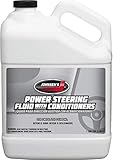
- High quality power steering fluid and conditioner
- Stops Noise
- Stops slipping
- Helps prevent unusual wear
- Protects seals
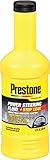
- 50,000 mile fluid life
- Includes Stop Leak additives to prevent and stop power steering system leaks
- Anti-wear protection increases system life; protects against pump failure, squeals and clogs; corrosion protection for metals, rubber & gasket components
- Conventional formula; for use in all manufacturers
- Size: 12 oz.

- Conditions O-rings
- Contains mild seal to help prevent small leaks
- Helps extend fluid lifeSpecifications
- Weight: 10 lbs

- Superior quality, universal hydraulic fluid designed to mix with all hydraulic fluids in power trim and steering systems
- Protects seals and hoses, and prevent foaming, oxidation and corrosion
- Prevents foaming
- Recommended for all outboard and sterndrive applications except electric power steering systems
SEOCONTENT-START
4680 Pinson Valley Parkway, Birmingham, AL 35215 Office: 205.920.2499 Fax: 205.341.0375 General Recall Reimbursement Plan I. Introduction Pursuant to 49 U.S.C. 30120(d), 49 C.F.R. Parts 573 and 577, and other applicable requirements, Autocar, LLC and Autocar Industries, LLC (collectively “Autocar”) hereby provides the National Highway Traffic Safety Administration (“NHTSA”) its general reimbursement plan for the cost of remedies paid for by vehicle owners before they are notified of a related safety recall. As set forth at 49 C.F.R. 573.6(c)(8)(i) and 49 C.F.R 573.13, the following information sets forth Autocar’s general plan to reimburse owners and purchasers for costs incurred for remedies in advance of notification of potential safety-related defects or noncompliance. II. Reimbursement Notification Autocar’s notice to a vehicle owner in accordance with 49 C.F.R. Part 577 will indicate whether Autocar is offering a refund. A vehicle owner will be eligible for reimbursement if the owner paid to have service to remedy the defect or noncompliance prior to a specified ending date. As set forth at 49 C.F.R 573.13(c)(2), the ending date shall be 10 calendar days after the date on which Autocar mailed the last of its Part 577 notifications to owners in the United States, unless a specific reimbursement plan is made available for a particular recall. Autocar’s notice will instruct owners to seek eligible reimbursement through Autocar’s Service & Warranties Department, at the following address or otherwise applicable business address: Autocar LLC Service & Warranties Department 551 S. Washington Street Hagerstown, Indiana 47346 Owners will also be instructed that they may contact Autocar by telephone (toll free) at 888-218-3611 or 877-973-3486 NHTSA’s regulations (see 49 C.F.R. 573.13(c)) permit Autocar to identify a beginning date for reimbursement eligibility. Accordingly, an owner who paid to remedy the defect or noncompliance prior to the identified beginning date would not be eligible for reimbursement. Autocar puts its owners and customers first, and therefore, the company has generally has not firmly established such a beginning date for reimbursement eligibility, and as of the date of this policy, does not presently anticipate changing this general policy. Should Autocar determine (as NHTSA permits) that a beginning date is appropriate, Autocar will indicate that date in the specific reimbursement plan for that particular recall. As permitted by 49 C.F.R. 577.11(e), Autocar may not include a reimbursement notification when all vehicles are well within the warranty period, subject to approval by NHTSA. 4680 Pinson Valley Parkway, Birmingham, AL 35215 Office: 205.920.2499 Fax: 205.341.0375 III. Costs to be Reimbursed For vehicles, reimbursement will not be less than the lesser of: • The amount paid by the owner for the remedy that specifically addressed and was reasonably necessary to correct the defect or noncompliance that is the subject of the recall; or, • The costs of the part(s) for the remedy (to be no more than the manufacturer’s list retail price for authorized part(s)), plus associated labor at local labor rates, miscellaneous fees (such as disposal of waste), and taxes. For replacement equipment, reimbursement will be the amount paid by the owner for each replacement item (limited to the amount of the retail list price of each defective or noncompliant item that was replaced, plus taxes, where the brand or model purchased by the owner was different than the brand or model that was subject to the recall). If the item of motor vehicle equipment was repaired, the reimbursement provisions identified above for vehicles will apply. As set forth at 49 C.F.R. 573.13(d)(1), costs incurred by the owner within the period during which Autocar’s original or extended warranty would have provided for a free repair of the defect or noncompliance will not be eligible for reimbursement. IV. Entity Authorized to Provide Reimbursement Autocar will directly reimburse owners, unless a specific reimbursement plan is made available for a particular recall, and will encourage owners to pursue requests for reimbursement directly through its Service & Warranties Department to expedite reimbursement, as set forth above in Section II. In whatever manner the request for reimbursement is made, under this Plan or a specific reimbursement plan, the owner will be directed to submit the required documentation, upon which reimbursement eligibility will be determined. V. Required Documentation The reimbursement determination will depend upon the information provided by the owner. As set forth at 49 C.F.R. Part 573.13(d)(4), the owner must submit all of the following information: • Claimant’s name and mailing address; • For motor vehicles, the vehicle identification number (or “VIN”), vehicle make, model, and model year; • For replacement equipment, a description of such equipment or, for tires, the model and size; • Identification of the applicable recall (either Autocar’s recall number, or NHTSA’s applicable recall campaign number); • Identification of the owner of the recalled vehicle at the time that the pre-notification remedy was obtained; 4680 Pinson Valley Parkway, Birmingham, AL 35215 Office: 205.920.2499 Fax: 205.341.0375 • An original receipt for the pre-notification remedy that includes a breakdown of the amount for parts, labor, other costs and taxes, including costs for the replacement item. Where the receipt covers work other than to address the recall or noncompliance, Autocar may require the claimant to separately identify costs that are eligible for reimbursement. • If the remedy was obtained during the warranty period, documentation indicating that the warranty was not honored or that the warranty repair did not correct the problem related to the recall. Failure to submit all of the above information may result in denial of the reimbursement request. VI. Additional Information The Part 577 required owner notice will provide a toll-free telephone number through which specific information about the reimbursement plan can be requested from Autocar. As set forth at 49 C.F.R. 573.6, this general reimbursement plan will be incorporated into notifications by reference. Information specific to a particular recall also may be incorporated into the Part 573.6 notification. VII. Response to Requests for Reimbursement Autocar will act upon requests for reimbursement as follows: • Autocar will act upon a claim for reimbursement within 60 days of its receipt. If Autocar denies the claim, Autocar will send a notice to the claimant within 60 days of receipt of the claim that includes a clear, concise statement of the reasons for the denial. • If a claim for reimbursement is incomplete when originally submitted, Autocar will advise the claimant within 60 days of receipt of the claim of the documentation that is needed and offer an opportunity to resubmit the claim with complete documentation. Reimbursement shall be in the form of a check from Autocar. VIII. Miscellaneous Autocar will make a copy of this plan available to the public, upon request. As permitted by 49 C.F.R. 573.13(m), Autocar will not reimburse owners for recalls based solely on noncompliant or defective labels. As set forth at 49 C.F.R. 573.13(n), reimbursement for a pre-notification remedy will not be provided to an owner if, in the case of a motor vehicle or replacement equipment other than a tire, it was bought by the first purchaser more than 15 calendar years before notice is given under 49 U.S.C. 30118(c) or an order is issued under section 49 U.S.C. 30118(b). In the case of a tire, this period shall be 5 calendar years. Dated: June 1, 2020
**************************************************************************************************************
ACF 00002 Rev. 000 551 South Washington Street, Hagerstown, IN 47346 Office: 765.489.5499 Fax: 765.489.5230 IMPORTANT SAFETY RECALL This notice applies to your vehicle(s) with the VIN(s) indicated on the enclosed owner response cards. Dear Autocar Truck Owner: AUTOCAR, LLC RECALL DC-2104- ACX-2105 NHTSA RECALL 21V677 October 2021 This notice is being sent to you in accordance with the National Traffic and Motor Vehicle Safety Act. Autocar, LLC has determined that a defect, which relates to motor vehicle safety, exists in 586, 2020-2021 model year Xpeditor and Legend chassis. The Xpeditor chassis were manufactured between April 30, 2019 and October 7, 2020 with non-sequential serial numbers between 233345 and 234668 and the Legend chassis were manufactured between March 2, 2020 and April 29, 2020, with non-sequential serial numbers in the range of 232437 through 233802. Our records indicate that your vehicle was manufactured within this time and may contain the defect described herein. MODELS AFFECTED: Autocar Xpeditor and Legend MY 2020-2021 COMPONENTS AFFECTED: Power Steering Pump SAFETY DEFECTS AND POTENTIAL RISKS: If the power steering pump fails a loss of steering assist could result in a sudden increase of steering effort, increasing the risk of property damage, personal injury, or a crash. REPAIR REQUIRED: Autocar is actively sourcing the components to replace the power steering pump and a second notification will be sent as soon as the final remedy is available TIME REQUIRED FOR THE REPAIR: The labor time to repair your vehicle is 1.9 hours. WHAT YOU SHOULD DO: This is the first of two notices you will receive regarding this subject. This letter is to inform you of an upcoming recall to correct the issue noted above. The parts and processes required for the repair are being developed and we expect to have components available within the next 60 to 90 days. You may continue to operate your vehicle. The second notice will inform you when the final remedy is available. When you receive the second notice, please contact your local authorized Autocar service site or email [email protected]. If you have questions or concerns regarding this notification, please contact Autocar technical support at 888-218-3611. ACF 00002 Rev. 000 551 South Washington Street, Hagerstown, IN 47346 Office: 765.489.5499 Fax: 765.489.5230 PRIOR REPAIRS: If you have previously paid for repairs relating to this recall you may be entitled to recover the amount you paid for those repairs. Submit a copy of all documentation supporting your claim to Autocar at the address set forth below in the “Assistance” section. NOTICE REGARDING LEASED VEHICLES: If you are a Lessor (as defined below) of a vehicle that is affected by this notice, you are obligated under federal law to provide a copy of this Notice to the lessee of such vehicle within 10 days of your receipt of this Notice. Further, you must maintain a record, which identifies the lessee(s) to whom you send a copy of this Notice, the date you send the Notice and the VIN of the vehicle that you have leased to the lessee(s). For purposes of this Notice, the term “Lessor” means a person or entity that is the owner, as reflected on the vehicle’s title, of any five or more leased vehicles, as of the date of this Notice. OWNER RECALL RESPONSE CARD: The enclosed Owner Recall Response Card identifies your vehicle. Please complete this postage-paid card and return it to Autocar. If you do not own, have sold or have traded the vehicle identified on the card, please indicate that on the postage-paid card and return it to Autocar. ASSISTANCE: If you need assistance with this recall, call our toll-free numbers below or write to Autocar at: Autocar, LLC Service & Warranty Departments 551 S. Washington St. Hagerstown, Indiana 47346 888-218-3611 (Toll Free) 877-973-3486 (Toll Free) You may also submit a complaint to: Administrator National Highway Traffic Safety Administration 1200 New Jersey Avenue SE Washington, DC 20590 or call the toll-free Vehicle Safety Hotline at 1-888-327-4236 (TTY: 800-424-9153); or go to https://www.safercar.gov. We regret any inconvenience this recall may cause, but we hope you recognize Autocar’s concern for your safety and satisfaction with your vehicle. Sincerely, AUTOCAR, LLC
**************************************************************************************************************
SAFETY RECALL BULLETIN NHTSA RECALL 21V677 AUTOCAR, LLC SAFETY RECALL ACX-2105 DC-2104 March 2022 ATTENTION: Service Managers / Parts Managers. SUBJECT: Autocar, LLC has determined that a defect, which relates to motor vehicle safety, exists in 586, 2020-2021 model year Xpeditor® and Legend chassis. Due to a machining defect, the power steering pump may fail and result in loss of power steering assist. SAFETY RECALL INFORMATION: This document provides information regarding defect and how to obtain the specific parts and repair instruction for your vehicle. VEHICLES AFFECTED: The Xpeditor® chassis were manufactured between April 30, 2019 and October 7, 2020 with non-sequential serial numbers between 233345 and 234668 and the Legend chassis were manufactured between March 2, 2020 and April 29, 2020, with non-sequential serial numbers in the range of 232437 through 233802.To determine if a vehicle is affected by this Recall, log in to the Autocar Warranty Management System at www.autocartruck.com. From the main menu, select “View Recalls/Service Programs” and look for the Autocar Recall number above. A spreadsheet file will be accessible with the VIN list of affected vehicles. Alternatively, to determine if a single vehicle is affected, select “VIN Profile” from the main menu in the Autocar Warranty Management System. In the “Chassis Number” field, enter the last 6 of the VIN. Once the VIN profile is displayed, scroll down to the “Recall/Service Program Information” section to determine if the Recall is open. REQUIRED PARTS: Due to design options, there are four vehicle specific parts kits associated with this recall repair. Your Autocar warranty professional will determine the exact parts and installation instructions required for your vehicle. Autocar, LLC 4680 Pinson Valley Parkway Center Point, AL 35215 888-218-3611 Page 1 of 2 SAFETY RECALL BULLETIN NHTSA RECALL 21V677 AUTOCAR, LLC SAFETY RECALL ACX-2105 DC-2104 March 2022 SERVICE RESPONSIBILITY: Service sites must perform this Recall on affected vehicles at no charge to the owner regardless of vehicle mileage, age, or ownership. If a vehicle affected by this Recall is taken into or is currently in your vehicle inventory, or at your center for service, you must perform this Recall before the vehicle is sold or released to the owner. TO OBTAIN PARTS: DO NOT submit a Solutions ticket. Verify that you have authorization from the customer to perform this work and send an e-mail to: [email protected] Include: VIN(s) (or) (last 6 digits of the VIN (s) Attention to Name Ship To Address CLAIM CODING INFORMATION: Repair Number (Op Code) Time Allowance (SRT) Description 64572-0-11 2.0 HR Replace Power Steering Pump Page 2 of 2 Autocar, LLC 4680 Pinson Valley Parkway Center Point, AL 35215 888-218-3611
**************************************************************************************************************
Page 1 of 10 Autocar, LLC 4680 Pinson Valley Parkway Center Point, AL 35215 888-218-3611 AI 3840006K001 ASSEMBLY INSTRUCTION March, 2022 ATTENTION: Service Managers / Parts Managers. REQUIRED PARTS: (1) S3840006K001 Service Kit (1) GZ290004-002 O-Ring (1) GZ200393-001 Barb fitting (2) GM042010AX14 Bolts (1) A3840015-14 Power steering pump (1) 8161532 Gasket SAFETY NOTICES: To prevent eye injury, always wear eye protection when performing vehicle maintenance, service or inspection. Before working on a vehicle, set the parking brake, place the transmission in neutral and block the wheels. Failure to do so can result in unexpected vehicle movement and can cause serious personal injury or death. Page 2 of 10 Autocar, LLC 4680 Pinson Valley Parkway Center Point, AL 35215 888-218-3611 AI 3840006K001 ASSEMBLY INSTRUCTION March, 2022 Working on CNG/LNG Trucks If you store or dispense Compressed Natural Gas (CNG) or Liquefied Natural Gas (LNG), or if you work on CNG or LNG trucks, your location must be fully compliant with applicable codes, regulations and standards, including National Fire Protection Associate (NFPA) codes, Society of Automotive Engineers (SAE) standards, American National Standards Institute (ANSI) Natural Gas Vehicle (NGV) standards, the United States Code of Federal Regulations (CFR) and your state and local fire and other applicable codes (including, for example, the California Code of Regulations and the Texas Administrative Code). Contact your local fire department for guidance and additional compliance information. Technicians working on Autocar trucks with CNG or LNG engines must be trained in the proper repair of CNG and LNG trucks and engines and the safe storage and dispensing of CNG and LNG. Working on CNG Fuel Systems CNG fuel systems include a high pressure (3600 psi) system for fuel storage and a low pressure system (125 psi) for consumption by the engine. Understanding the characteristics of CNG and how the fuel system works will prevent injury and damage to persons and property. Attempting to operate or maintain any CNG fuel system without proper training is dangerous. Complete training and consult instructional bulletins from the CNG system suppliers, such as Agility Fuel Systems’ Field Service Bulletin, Safely Working on CNG Fuel Systems. Welding and Hot Work Near CNG and LNG Trucks Welding, grinding, and other “hot work” can be safely performed on or near a CNG or LNG vehicle, but certain precautions must be followed. Understand and perform the necessary precautions provided by the CNG system suppliers, such as Agility Fuel Systems’ Field Service Bulletin, Welding and Hot Work Precautions Near CNG and LNG Vehicles. Page 3 of 10 Autocar, LLC 4680 Pinson Valley Parkway Center Point, AL 35215 888-218-3611 AI 3840006K001 ASSEMBLY INSTRUCTION March, 2022 CNG Cylinders CNG fuel containers must meet Federal Motor Vehicle Safety Standard (FMVSS) 304 (Compressed Natural Gas Fuel Container Integrity) and/or ANSI/CSA NGV2 (Basic Requirements for Compressed Natural Gas Vehicle Fuel Containers). Both standards specify a detailed visual examination every three years. Truck owners are required to complete all necessary inspections, in accordance with the applicable standards and other resources, such as the Clean Vehicle Education Foundation and NGVAmerica’s Compressed Natural Gas (CNG) Container Visual Inspection Advisory. FMVSS 304 also requires that cylinders not be used after the end of life (EOL) date provided on the tank label. The EOL date is also displayed in the engine compartment and at the fueling connection of each truck. If there are any question as to proper decommissioning of a cylinder, contact the manufacturer, whose name and address is also required to be on the label. CNG Fuel Container Pressure Relief Devices (PRDs) PRDs must be properly maintained and positioned for safe operation of a CNG fuel system. Missing vent caps can allow moisture into PRDs and vent lines, which can freeze and damage these safety components. Debris which clogs the PRDs and/or vent lines can prevent proper function. PRDs must be positioned to vent upward, not outward, from a vehicle. Ensure that every truck owner completes periodic inspections of the PRDs and vent lines and systems, in accordance with guidance provided by the system component suppliers. Alert First Responders to CNG and LNG In the event of a fire or other emergency, alert first responders to the presence and location of CNG fuel systems, tanks and dispensers. Ensure that emergency personnel are aware of proper precautions, such as those provided in Agility’s First Responder Guide: CNG and LNG Vehicle Fuel Systems. Page 4 of 10 Autocar, LLC 4680 Pinson Valley Parkway Center Point, AL 35215 888-218-3611 AI 3840006K001 ASSEMBLY INSTRUCTION March, 2022 LOCKOUT/TAGOUT PROCEDURES: Before entering the vehicle or vehicle body, read and follow OSHA regulations concerning entry and working in “CONFINED SPACE” OSHA 1910.146 and “LOCKOUT/TAGOUT” OSHA 1910.147. Follow OSHA regulations while performing any work on the vehicle. The vehicle must be disabled by the following steps before performing any work on the vehicle: 1. Place the transmission in NEUTRAL. 2. Set the parking brake. 3. Shut the engine OFF. 4. Lock cab doors, keep the key in your pocket. Block the wheels before entering the body or performing any work on the vehicle. 5. Turn the battery disconnect switch OFF, if equipped. 6. Completely drain the air from the primary/A system and secondary/B system by opening the drain valves on the air tanks themselves or by using the drain manifold if supplied. When draining the air tanks, do not look into the area where air is draining. Dirt or sludge particles may be expelled in the air stream and can cause eye injury. 7. Place magnetic “DANGER” signs on both cab doors before entering the body or performing any work on the vehicle. 8. Take proper precautions before working under the vehicle. Use ramps approved for the weight of your vehicle, or use floor jacks and stands. Never work under a vehicle supported by jacks alone. Always use jack stands to support the vehicle. Page 5 of 10 Autocar, LLC 4680 Pinson Valley Parkway Center Point, AL 35215 888-218-3611 AI 3840006K001 ASSEMBLY INSTRUCTION March, 2022 REMOVE THE POWER STEERING PUMP 1. Follow all lockout/tagout procedures and verify the battery disconnect switch is in the “OFF” position. If the unit is not equipped with a battery disconnect switch, disconnect the battery cables beginning with the negative cables, followed by the positive cables. 2. Raise the cab in accordance with the following safety precautions and procedures. Due to the danger of sustaining personal injury and/or damage to the vehicle, never attempt to raise the cab outdoors under extremely windy conditions. The strong wind conditions could force the cab beyond the normal limits of its travel. Remove or secure all loose articles and close all doors before raising the cab. The area above and ahead of the cab must be clear from obstructions. Place front wheels in a straight ahead position. Remove the pump handle from its storage on the inside of the cab near the driver or passenger seat. Place the selector lever on the hydraulic pump in the RAISE position. Insert the pump handle into the pump and operate the handle in an up and down motion. The hydraulic cab latches will open, then the hydraulic cylinders will lift the cab until the midpoint (top) is reached. Once the cab has reached its midpoint the cab will move forward to the fully open position. The safety pin in the cab tilt lock device must be installed when the holes line up in the sliding bar. Remove the pump handle when not in use. It may stick out and could cause injury to passersby. Page 6 of 10 Autocar, LLC 4680 Pinson Valley Parkway Center Point, AL 35215 888-218-3611 AI 3840006K001 ASSEMBLY INSTRUCTION March, 2022 3. Raise the front of the vehicle and place it on jack stands of adequate rating. 4. Place a drain pan under the power steering pump. Allow the vehicle’s engine and cooling system to cool to ambient temperature before performing the repair procedure. A hot engine or cooling assembly may cause burns or other personal injury. 5. Disconnect the two hydraulic hoses from the pump. 6. Drain the steering fluid. Note: Dispose of used fluid in accordance with state and local regulations. 7. Plug or cap all openings on the pump to prevent spillage. Page 7 of 10 Autocar, LLC 4680 Pinson Valley Parkway Center Point, AL 35215 888-218-3611 AI 3840006K001 ASSEMBLY INSTRUCTION March, 2022 8. Remove the two mounting bolts and washers from the power steering pump and discard. Remove the hose fittings from the power steering pump, discard the barb fitting and set the JIC fitting aside for reinstallation (see Figure 1). 9. Remove the power steering pump and gasket from the engine and discard the gasket. Record the power steering pump serial number on your repair order and retain the power steering pump until your warranty claim has been paid (see Figure 1). Power Streering Pump Figure 1 10. Using a clean shop towel, clear away any debris from the gasket surfaces on the engine. Page 8 of 10 Autocar, LLC 4680 Pinson Valley Parkway Center Point, AL 35215 888-218-3611 AI 3840006K001 ASSEMBLY INSTRUCTION March, 2022 INSTALL THE NEW POWER STEERING PUMP 11. Remove and discard the original O-ring and install the GZ290004-002 O-Ring onto the JIC fitting (set aside in step 8), install the JIC fitting and the GZ2002393-001 Barb fitting into the A3840015-14 power steering pump. Verify the fittings are properly oriented. 12. Install the new 8161532 gasket onto the power steering pump. 13. Using (2) GM042010AX14 bolts (apply blue thread locking compound obtained locally), install the power steering pump on the engine and tighten to 45 Lb.-ft. of torque (see Figure 2). Note: The A3840015-14 Power Steering Pump may not have the same port locations as the pump removed. This is an intentional change along with the Barb fitting to increase routing, clipping and installation clearances. Gasket Power Steering Pump Barb Fitting O-Ring Bolts Figure 2 Page 9 of 10 Autocar, LLC 4680 Pinson Valley Parkway Center Point, AL 35215 888-218-3611 AI 3840006K001 ASSEMBLY INSTRUCTION March, 2022 14. Connect the two hydraulic hoses that were removed in step 5 and verify the hydraulic hoses are routed to prevent rubbing and chafing. 15. Turn on the battery disconnect switch or re-connect the battery cables beginning with the positives cables followed by the negative cables. 16. Locate the power steering reservoir, mounted either on the left or right side of the vehicle’s upright support (see Figure 3). Power Steering Reservoir Figure 3 Due to product variations the Illustration may vary from your specific configuration Page 10 of 10 Autocar, LLC 4680 Pinson Valley Parkway Center Point, AL 35215 888-218-3611 AI 3840006K001 ASSEMBLY INSTRUCTION March, 2022 17. Log in to the Autocar Warranty Management System at www.autocartruck.com. From the main menu, select “View Recalls/Service Programs” and locate SB 6-383-002 Power Steering Air Bleed Procedure. Complete the instructions as required. 18. Verify there is no leakage in the system. 19. Lower the vehicle and lower the cab. 20. Perform a functional test of the power steering system. With the engine at idle turn the steering to full left and full right wheel cut to verify function. 21. Repairs are complete. Note: If the functional test fails or you have questions or concerns regarding this assembly instruction, please contact Autocar Technical Support at 888-218-3611.
**************************************************************************************************************
ACF 00002 Rev. 000 551 South Washington Street, Hagerstown, IN 47346 Office: 765.489.5499 Fax: 765.489.5230 IMPORTANT SAFETY RECALL This notice applies to your vehicle(s) with the VIN(s) indicated on the enclosed owner response cards. AUTOCAR, LLC RECALL DC-2104- ACX-2105 NHTSA RECALL 21V677 March 2022 Dear Autocar Truck Owner: This notice is being sent to you in accordance with the National Traffic and Motor Vehicle Safety Act. Autocar, LLC has determined that a defect, which relates to motor vehicle safety, exists in 586, 2020-2021 model year Xpeditor and Legend chassis. The Xpeditor chassis were manufactured between April 30, 2019 and October 7, 2020 with non-sequential serial numbers between 233345 and 234668 and the Legend chassis were manufactured between March 2, 2020 and April 29, 2020, with non-sequential serial numbers in the range of 232437 through 233802. Our records indicate that your vehicle was manufactured within this time and may contain the defect described herein. MODELS AFFECTED: Autocar Xpeditor and Legend MY 2020-2021 Power Steering Pump If the power steering pump fails, a loss of steering assist could result in a sudden increase of steering effort, increasing the risk of property damage, personal injury, or a crash. The power steering pump will be replaced at no charge. The labor time to repair your vehicle is 1.9 hours. To have your vehicle repaired, contact your local authorized Autocar service site or email [email protected]. COMPONENTS AFFECTED: SAFETY DEFECTS AND POTENTIAL RISKS: REPAIR REQUIRED: TIME REQUIRED FOR THE REPAIR: WHAT YOU SHOULD DO: ACF 00002 Rev. 000 551 South Washington Street, Hagerstown, IN 47346 Office: 765.489.5499 Fax: 765.489.5230 PRIOR REPAIRS: If you have previously paid for repairs relating to this recall you may be entitled to recover the amount you paid for those repairs. Submit a copy of all documentation supporting your claim to Autocar at the address set forth below in the “Assistance” section. NOTICE REGARDING LEASED VEHICLES: If you are a Lessor (as defined below) of a vehicle that is affected by this notice, you are obligated under federal law to provide a copy of this Notice to the lessee of such vehicle within 10 days of your receipt of this Notice. Further, you must maintain a record, which identifies the lessee(s) to whom you send a copy of this Notice, the date you send the Notice and the VIN of the vehicle that you have leased to the lessee(s). For purposes of this Notice, the term “Lessor” means a person or entity that is the owner, as reflected on the vehicle’s title, of any five or more leased vehicles, as of the date of this Notice. OWNER RECALL RESPONSE CARD: The enclosed Owner Recall Response Card identifies your vehicle. Please complete this postage-paid card and return it to Autocar. If you do not own, have sold or have traded the vehicle identified on the card, please indicate that on the postage-paid card and return it to Autocar. ASSISTANCE: If you need assistance with this recall, call our toll-free numbers below or write to Autocar at: Autocar, LLC Service & Warranty Departments 551 S. Washington St. Hagerstown, Indiana 47346 888-218-3611 (Toll Free) 877-973-3486 (Toll Free) You may also submit a complaint to: Administrator National Highway Traffic Safety Administration 1200 New Jersey Avenue SE Washington, DC 20590 or call the toll-free Vehicle Safety Hotline at 1-888-327-4236 (TTY: 800-424-9153); or go to https://www.safercar.gov. We regret any inconvenience this recall may cause, but we hope you recognize Autocar’s concern for your safety and satisfaction with your vehicle. Sincerely, AUTOCAR, LLC
**************************************************************************************************************
ACF 00002 Rev. 000 551 South Washington Street, Hagerstown, IN 47346 Office: 765.489.5499 Fax: 765.489.5230 IMPORTANT SAFETY RECALL AUTOCAR, LLC SAFETY RECALL DC-2104- ACX-2105 NHTSA RECALL NO. 21V677 March 2022 TO: U.S. Distributors Dealer Principals, Service Managers, Warranty Managers, Parts Managers This notice is being sent to you in accordance with the National Traffic and Motor Vehicle Safety Act. Autocar, LLC has determined that a defect, which relates to motor vehicle safety, exists in Autocar, LLC has determined that a defect, which relates to motor vehicle safety, exists in 586, 2020-2021 model year Xpeditor and Legend chassis. The Xpeditor chassis were manufactured between April 30, 2019, and October 7, 2020 with non-sequential serial numbers between 233345 and 234668 and the Legend chassis manufactured between March 2, 2020 and April 29, 2020, with non-sequential serial numbers in the range of 232437 through 233802 accordingly, a recall to address this issue is being initiated effective March 16, 2022. MODELS AFFECTED: Autocar Xpeditor and Legend MY 2020-2021 COMPONENTS AFFECTED: Power steering pump SAFETY DEFECTS AND POTENTIAL RISKS: If the power steering pump fails a loss of steering assist could result in a sudden increase of steering effort, REPAIR REQUIRED: The power steering pump will be replaced at no charge to the owner. REPAIR AVAILABLE: VIN profiles in the Autocar Warranty System will be updated to show the open recall on March 17, 2022, and a spreadsheet of the affected VINs will be available in the Warranty system. REMINDER: It is a violation of Federal law to sell or lease a vehicle covered by this recall notice unless the recall remedy has been completed. Substantial civil penalties apply to violations of this law. If you have any questions or concerns, please contact the Autocar Warranty Department at [email protected]. Sincerely, AUTOCAR, LLC ACF 00002 Rev. 000 551 South Washington Street, Hagerstown, IN 47346 Office: 765.489.5499 Fax: 765.489.5230
**************************************************************************************************************
SEOCONTENT-END
This product presentation was made with AAWP plugin.